TR Octoen
 USA Octoen
 ES Octoen
 Compost-it
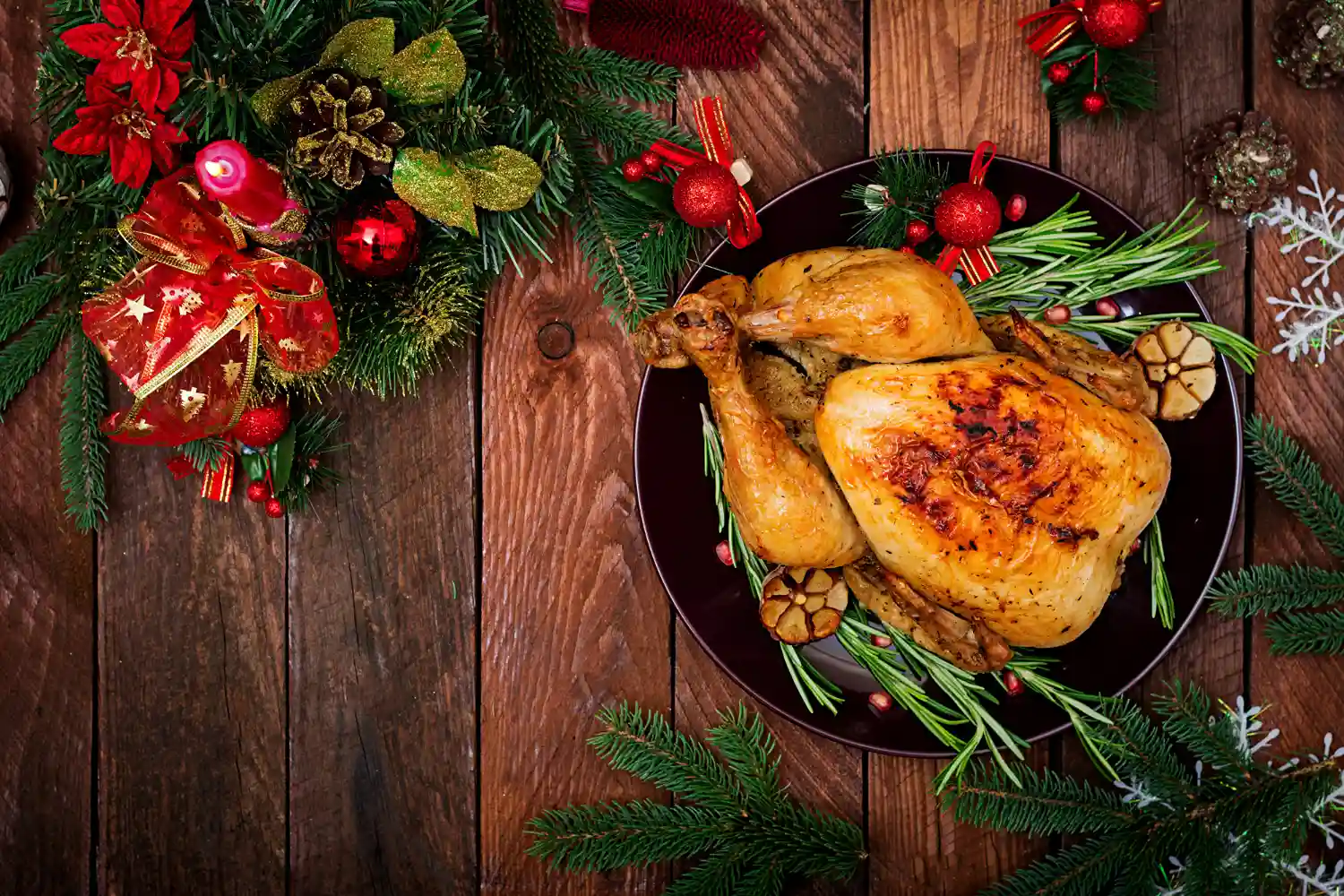

Roast turkey, the centrepiece of festive tables, can become both a spectacular and sustainable main course when prepared correctly. With the rise of sustainable kitchen practices in recent years, the “zero-waste New Year’s menu” approach has gained popularity, especially among large organisations, hotels, and institutional kitchens. Roast turkey plays a key role in this approach because it easily serves large groups and, when properly planned, can be presented with minimal food waste.
When choosing a turkey for New Year’s, portion planning is essential. Purchasing a turkey that is larger than necessary may result in higher energy consumption during cooking and significant amounts of uneaten leftovers. Selecting the right size ensures both cost-efficiency and alignment with sustainable cooking principles. Aromatic vegetables used during preparation—such as onions, carrots, celery stalks, garlic, lemon, and fresh herbs—not only enhance flavour during roasting but can also be fully composted as organic waste afterwards. This sets a strong foundation for a zero-waste New Year’s dinner from the very beginning.
How to Cook Roast Turkey for New Year’s?
When asked “How do you cook roast turkey for New Year’s?” the most practical answer is to focus on simple, reliable techniques rather than complicated steps. A good roast turkey recipe includes filling the cavity with fresh herbs and citrus, rubbing the skin with olive oil and spices, and preparing a vegetable bed underneath. This method balances the roasting process and yields a juicy, flavourful roast turkey. After roughly 3 hours of controlled cooking, you achieve the ideal roast turkey—crispy on the outside, tender on the inside—ready to take centre stage on the New Year’s table.
Roast Turkey Ingredients (8–10 Servings)
- 1 whole turkey (4–5 kg)
- 3 tablespoons olive oil
- 2 tablespoons butter (softened)
- 1 tablespoon salt
- 1 teaspoon black pepper
- 1 teaspoon paprika
- 1 teaspoon garlic powder (optional)
For the cavity
- 1 lemon (halved)
- 1 orange (quartered)
- 1 large onion
- 4–5 cloves garlic
- 3 sprigs rosemary
- 4 sprigs fresh thyme
- 2 sprigs fresh sage
For the vegetable
- 2 carrots
- 2 celery stalks
- 1 onion
- 2 cups hot water or chicken stock
Roast Turkey Recipe
Prepare the Turkey
- Bring the turkey to room temperature at least 1 hour before roasting.
- Pat it completely dry with paper towels (crucial for crispy skin).
- Rub the entire surface with olive oil and softened butter.
- Season generously with salt, black pepper, and remaining spices.
Add Aromatics to the Cavity
- Place lemon, orange, onion, garlic, and fresh herbs inside the cavity.
- This helps retain moisture and boosts flavour.
Prepare the Vegetable Bed
- Scatter roughly chopped carrots, celery, and onion into a roasting pan.
- Pour 1–2 cups of hot water or chicken stock over the vegetables.
- Set the turkey on top of this vegetable bed for even heat distribution.
Roasting
- Preheat the oven to 180°C.
- Roast the turkey for 2.5–3 hours.
- 4 kg turkey → approx. 2.5 hours
- 5+ kg turkey → approx. 3–3.5 hours
- Baste the Turkey with its own juices every 30 minutes to keep it moist.
Pro tip:
The turkey is perfectly cooked when a thermometer inserted into the thickest part of the thigh reads 75°C.
Resting (Critical Step)
- Let the turkey rest for at least 20–30 minutes after removing it from the oven.
- This ensures tender, juicy meat that carves easily.
Serving Suggestions
- Serve the roast turkey with the vegetable bed.
- Reduce the pan juices into a sauce and drizzle over the sliced turkey.
- It pairs beautifully with chestnut pilaf, roasted vegetables, or creamy potatoes.
What Happens to the Turkey Leftovers?
Answer: Compost!
All organic leftovers from your New Year’s table—turkey bones, vegetable trimmings, uneaten garnishes, fruit cores—don’t need to end up in the bin. With Octoen’s advanced composting technology, these materials can be transformed into nutrient-rich compost fertiliser in just 12–24 hours.
This reduces the volume of waste in your kitchen and allows you to take the very first sustainable step of the year.
The most practical complement to a zero-waste New Year’s menu is exactly this:
No more waste — only compost!